Mexico City Association Meeting Venues That Suit Your Needs
The best Mexico City association meeting venues support the full delegate journey: airport arrival, hotel check-in, education sessions, committee meetings, sponsor visibility, networking, and a credible local experience. For planners managing board expectations, budgets, and attendance goals, the right property must make each of those moments easier to deliver.
Mexico City offers the scale, airlift, hotel inventory, and cultural depth that many annual meetings need. It also requires more deliberate sourcing than a compact resort destination. Traffic patterns, neighborhood fit, room block strategy, security protocols, and the distance between your host hotel and event space can materially affect attendance and program flow.
Start With the Meeting Pattern
Before comparing venue photos or requesting proposals, map the working pattern of the association meeting. A general session for 800 attendees, six concurrent education rooms, a board meeting, registration, sponsor tables, and hosted receptions create a very different requirement from a leadership summit for 100 people.
The key question is not simply whether a venue has enough square footage. It is whether its spaces work together without creating friction. Delegates should be able to move from general session to breakouts, meals, and exhibits without long walks, confusing elevators, or bottlenecks in public areas. This matters especially when the agenda has short transition times or attendees need to return to sessions after lunch.
For larger annual meetings, convention hotels and dedicated convention facilities can offer the scale, loading access, and technical infrastructure required for exhibits and high-production sessions. For smaller executive, medical, or membership programs, a centrally located full-service hotel may be more efficient because sleeping rooms, meeting space, and food service are under one roof.
Neither model is automatically better. A convention facility can give a large meeting room to grow, while a hotel-based program may produce stronger participation because attendees remain close to the agenda. The right choice depends on attendance, the number of concurrent sessions, room-night needs, and how much of the experience must happen in one place.
Choose a Neighborhood That Supports Attendance
Mexico City is not a single meeting district. Selecting the right neighborhood is part of the venue decision, particularly for US-based groups bringing delegates into the city for the first time.
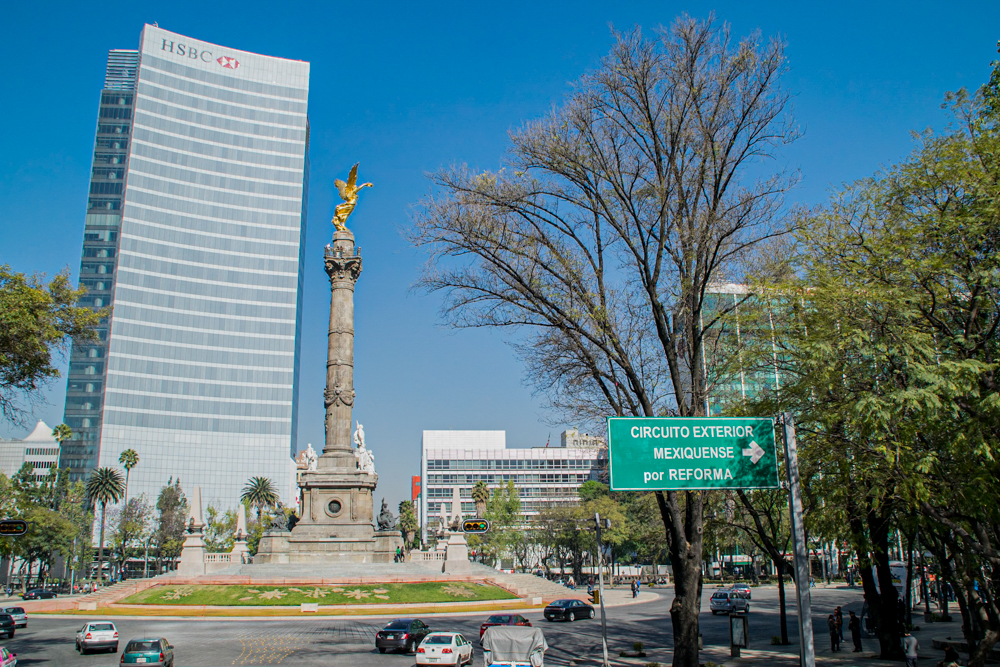
Polanco is often a fit for executive groups, leadership meetings, premium incentive-style extensions, and programs where walkable dining and an upscale business environment matter. Reforma offers major hotels, recognizable landmarks, and strong access to the city’s business core. Santa Fe can be practical for groups with corporate ties in the area or programs needing modern hotel infrastructure, though its location may be less convenient for delegates who want to explore central neighborhoods during free time.
Historic Center-area venues can create a memorable setting for a reception or closing event, but planners should assess transportation timing carefully. A beautiful off-site function loses some of its appeal if delegates face an extended transfer after a full day of sessions. Consider the schedule, guest profile, and planned departure time rather than choosing an area based solely on atmosphere.
Airport access also deserves an early conversation. Mexico City International Airport serves substantial domestic and international traffic, but transfer times vary considerably by time of day and final destination. Ask local venue contacts for realistic arrival and departure windows, then build them into your published travel guidance and staff schedule.
Mexico City Association Meeting Venues That Suit Your Needs
Venue proposals can look similar on paper. The differentiators usually emerge when planners ask operational questions that reflect the actual program.
Start with the general session layout. Confirm the usable dimensions, ceiling height, sightlines, rigging policies, built-in AV, and locations of entrances and service doors. A room that holds the attendee count in theater seating may not work once you add stage depth, cameras, confidence monitors, accessible seating, and an association’s sponsor recognition elements.
Then review breakout space as a system. Are rooms on the same level? Can the property protect meeting rooms from noise generated by another group? Is there adequate pre-function space for coffee breaks, informal conversations, registration, and exhibitors? Associations often need spaces that can flex between committee meetings, speaker-ready rooms, and member lounges during the program.
A practical sourcing review should also confirm:
- Guest room inventory, peak-night availability, and the relationship between sleeping rooms and meeting space
- Food and beverage minimums, service fees, taxes, and the timing of final guarantees
- Internet capacity for attendee use, hybrid sessions, streaming, and event operations
- Freight access, loading schedules, storage availability, and rules for outside production partners
- Accessibility features, including step-free routes, restrooms, seating configurations, and dietary accommodation processes
- Security procedures for VIPs, credentialed functions, equipment, and controlled-access meetings
These details are not administrative fine print. They affect the budget, staffing plan, sponsor experience, and delegate satisfaction. Request them before narrowing the field, particularly if your program involves an exhibit component or simultaneous sessions.
Build the Room Block Around Real Behavior
Association room blocks in Mexico City need a more nuanced approach than a simple percentage of projected registration. Some attendees may extend their stay, share rooms, arrive from other National cities, or use corporate travel channels. Others may choose a different hotel if the official block is too far from the meeting venue or if the rate structure is unclear.
Begin with historical pickup where available, then adjust for destination accessibility, membership geography, registration price, and the number of local attendees. If attendance is heavily regional, the meeting may need less room inventory than a national congress drawing primarily from the Abroad. If the program includes early starts, evening functions, or a packed education schedule, proximity to the official hotel becomes more valuable.
Ask hotels to explain cutoff dates, attrition terms, audit rights, complimentary room ratios, and whether rooms are available across the full program window. Also confirm how the hotel will handle early arrivals and late departures. International flight schedules do not always align neatly with standard check-in and check-out times, and a clear plan prevents avoidable front-desk pressure.
Plan for Technology and Production Early
Mexico City has sophisticated meeting infrastructure, but technical expectations should be defined rather than assumed. This is particularly true for associations offering continuing education, live-streamed content, translation, voting platforms, or hybrid participation.
Share your anticipated internet use case with shortlisted venues. There is a meaningful difference between Wi-Fi for email and social posting, dedicated bandwidth for a streamed general session, and a production network supporting presenters, show callers, registration devices, and exhibitors. Ask whether bandwidth is dedicated or shared, what redundancy is available, and how support is staffed during program hours.
If sessions require simultaneous interpretation, determine where booths can be positioned and whether room layouts preserve clear sightlines. For medical, scientific, or technical programs, inspect power distribution, equipment access, poster display options, and any restrictions on installations. Involve your production partner before contracts are final whenever the event design depends on staging, lighting, broadcast, or complex room turns.
Use Off-Site Events With a Clear Purpose
A Mexico City program can benefit from a distinctive opening reception, awards dinner, or hosted networking event away from the host hotel. The city’s culinary, cultural, and architectural options can add genuine value to the meeting experience. Still, an off-site event should solve a program need, not add a transfer simply because the destination offers attractive venues.
Choose an off-site location when it supports member connection, sponsor hospitality, recognition, or a strong sense of place. Keep the transportation plan simple, provide precise departure communications, and account for security, accessibility, weather contingencies, arrival flow, and departure staging. A shorter program with excellent execution often leaves a better impression than an ambitious event that runs late and fragments the group.
Make Site Visits More Productive
A site visit should test the operational assumptions behind the proposal. Walk the delegate route from vehicle arrival through registration, session rooms, meals, restrooms, and evening functions. Time the route rather than estimating it. Check mobile signal and Wi-Fi in the areas where attendees will actually gather, not just in a staged meeting room.
Meet the people who will support the event, including conference services, banquet operations, AV, security, and reservations. Ask how they manage simultaneous programs and where decisions are escalated during a live event. A polished sales presentation matters, but the on-property operating team will shape the attendee experience.
Mexico Venue Finders can help planners narrow vetted Mexico City options and connect with local service suppliers as requirements become clearer. The most useful venue search begins with a disciplined brief: your peak attendance, room block, meeting pattern, budget framework, technical needs, and preferred neighborhood. Bring that clarity to the sourcing process, and the city can deliver a meeting that feels both efficiently managed and unmistakably connected to its destination.
If you are a meeting planner considering Mexico for your next conference, corporate meeting, incentive program, retreat, or special event, make Mexico Venue Finders part of your sourcing process. Mexico Venue Finders is designed to be an indispensable resource for meeting planners who want to explore Mexico efficiently, discover suitable venues, and connect their event requirements with the destinations and local resources that can bring their program to life.